






Heritage Night Fun Run

Run the Night, Own the Party
A 5K night fun run through the heart of Surabaya's heritage, starting and finishing at Tugu Pahlawan.
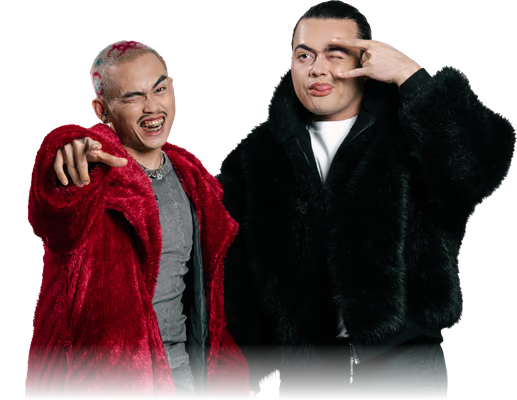
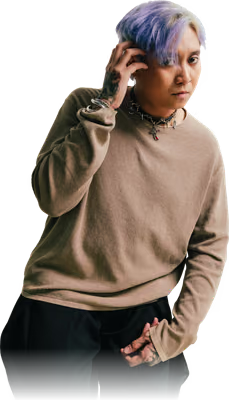
LIVEDnA & PARKZ · Garry & Niko JuniusJersey, BIB, tote bag, glow wristband and partner goodies at collection; the medal at the finish line



A 5K loop through the heart of old Surabaya, run after dark.
Start
The Heroes Monument, raised where the Battle of Surabaya began in November 1945. It is why the city is called Kota Pahlawan — and why this run happens in the week of Heroes' Day.
Jl. Pahlawan, once Aloon-Aloonstraat. Across from the monument stands the East Java Governor's Office, finished in 1931: here, on the night of 9 November 1945, Governor Soerjo decided to refuse the Allied demand to surrender, and the great battle broke out the next morning.
Jl. Bubutan, the street of the national movement. A little south of the route stands the Gedung Nasional Indonesia, where Dr. Soetomo is buried, and Nahdlatul Oelama once had its office on Bubutan VI. The divide down its middle was a canal of the palace defences, filled in in 1960.
Jl. Rajawali, once Heerenstraat, one of Surabaya's oldest streets. The Cigar Building (1916), a Bank Mandiri today and the water station, is named for its cigar-shaped tower. Across from it stands the Internatio building: Brigadier Mallaby was killed in front of it on 30 October 1945, not on the Red Bridge as is often said.
Surabaya's old town: the colonial-era trading quarter, and the oldest continuously built part of the city.
The Red Bridge over the Kalimas. One of the flashpoints of the 1945 battle, and for centuries before that the crossing every trader used.
The Chinatown quarter along Kembang Jepun. Kya-Kya means "to stroll" in Hokkien — it has been a night street for generations.
Jl. Slompretan, part of the old Chinatown since the mid-19th century. Its name comes from the Javanese slompret, a trumpet; why, no record says for certain.
The Han ancestral house at Jl. Karet 72, the Han family's hall of remembrance, in a blend of Chinese, Javanese and European styles. The street was once Chinezevoorstraat, the heart of old Chinatown. It is protected heritage now, still kept by the family's descendants.
Jl. Jembatan Merah, once Willemskade. Here stands the Lion Building, an insurance company's office designed by the Dutch architect H.P. Berlage, begun in 1901 with tiles by Jan Toorop. The two winged lions at its door gave it its name.
Surabaya's police headquarters began as the Djotangan army barracks and became the Hoofdbureau van Politie, the city's police headquarters, around 1928; locals shortened it to Hobiro. It is protected heritage, and since 2015 a living museum too.
Jl. Veteran, once Societeitstraat, named for the Societeit Concordia, a Dutch club built in 1843. The street joined the Jembatan Merah trading quarter to the upper town, and its row of colonial buildings is a protected heritage area today.
Kilometre zero: the point every distance in Surabaya is measured from.
Finish
Tugu Pahlawan
Live at the race village after the run.
#SportyParty
Main Sponsor

Official Race Management

Official Mineral Water

Official Isotonic Water

Coffee Partner

Official Tea Partner

Official Medical Partner

Hotel Recommendation

Supported By















Official Community Partner









Official Media Partner






Official Broadcast Partner

Official Apparel Partner

Official Production Partner

Officially Designed By

Special Documentation


Answers, terms and official forms — all in one place.